
Common replacement parts, what to check and when to get expert advice
Ifor Williams trailers are built for regular use, but the parts that take the most wear still need checking, maintaining and replacing over time. Brakes, cables, tyres, lights, couplings, jockey wheels and bearings all play an important role in how safely and reliably your trailer tows.
This guide explains the most common Ifor Williams trailer parts, what they do, the signs they may need replacing, and when it is best to speak to a specialist before ordering. It is designed to help you identify the right part more confidently, whether you own a horse trailer, general duty trailer, plant trailer, tipper, flatbed, box van or car transporter.
Jump to section:
Quick Answer: Which Ifor Williams Trailer Parts Are Most Commonly Replaced?
- Braking parts: brake cables, brake shoes, drums, expanders and adjusters
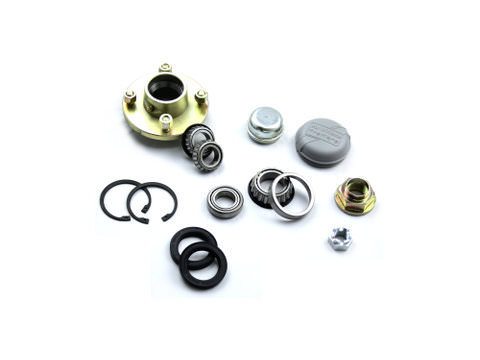
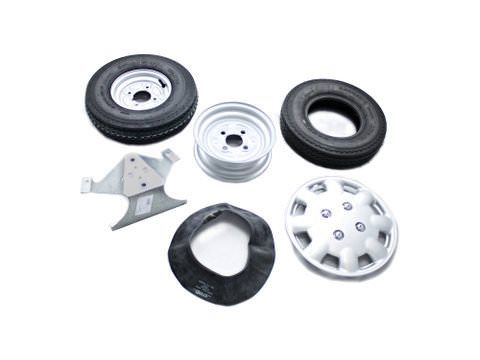
- Wheel and hub parts: wheel bearings, hubs, seals, grease caps, wheels and tyres
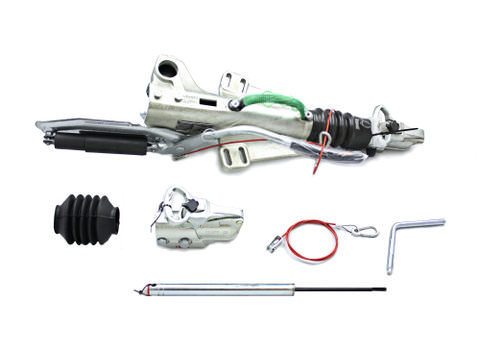
- Coupling parts: couplings, dampers, bellows, breakaway cables and hitch components
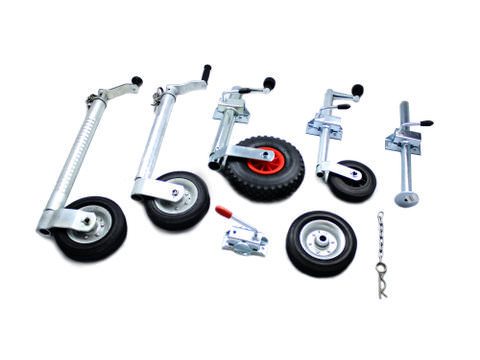
- Support parts: jockey wheels, clamps, prop stands and handles
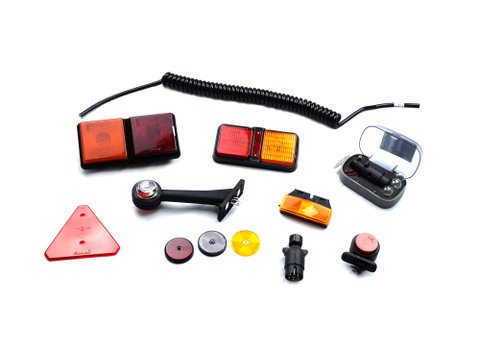
- Lighting and electrical parts: rear lamps, lenses, plugs, sockets, wiring and reflectors
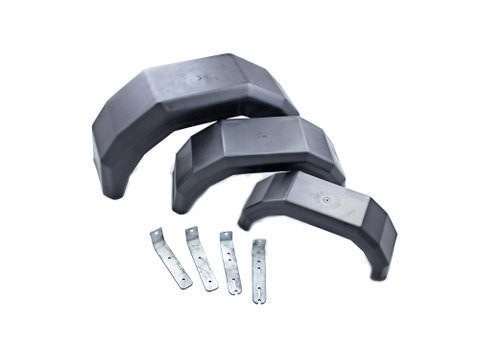
- Body parts: mudguards, panels, hinges, catches, locks and seals
- Loading parts: ramps, springs, gas struts, winches, straps and lashing points
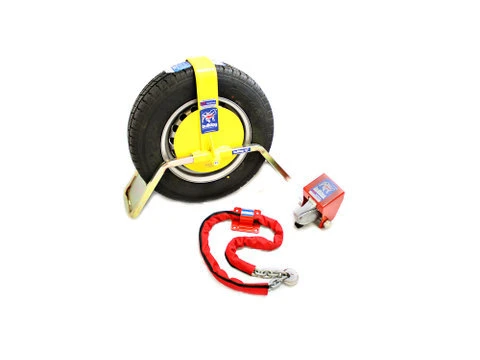
- Security parts: hitch locks, wheel clamps, locking wheel bolts and trailer security accessories
For important towing and safety parts, always check the trailer model, plate details, axle type and existing part information before ordering. Many parts can look similar online but differ by trailer age, specification or weight rating.
Common Ifor Williams Trailer Parts and Accessories
Use the categories below as a starting point, but always check your trailer model, plate details and existing part before ordering. Many trailer parts vary by model, age, axle type and specification.
Before Ordering Ifor Williams Trailer Parts
Before ordering parts for an Ifor Williams trailer, it is worth taking a few minutes to confirm exactly what you have. This is especially important for braking parts, bearings, couplings, lights, hinges and any part linked to safety or weight ratings.
Before ordering, check:
- The trailer model code, such as GD, LM, TT, GH, GX, CT, BV, HB or HBX
- The trailer serial number or VIN plate
- The year or approximate age of the trailer
- The axle type and gross weight
- The wheel and tyre size
- The existing part number, if visible
- Clear photos of the old part
- Whether the part affects safety, braking, towing or load support
GT Towing Insight
One of the most common issues with trailer parts is ordering by appearance alone. A brake cable, light lens, bearing or coupling part may look right online, but still be wrong for the trailer. If you are unsure, check the trailer plate and send photos before ordering.
Brake Parts and Brake Cables
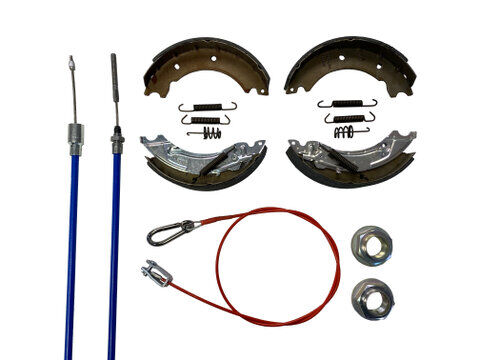
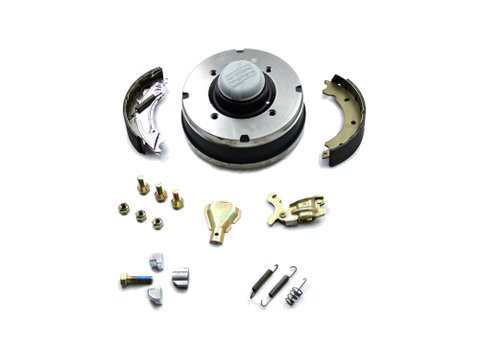
Brakes are one of the most important systems on a braked trailer. Ifor Williams brake parts can include brake shoes, brake cables, drums, expanders, adjusters, rods, compensators and handbrake components.
Brake parts should be checked regularly, especially if the trailer carries heavy loads, has been standing for a long time or is used commercially. Poor braking can affect stopping distance, stability and control while towing.
| Part | What To Watch For |
|---|---|
| Brake cables | Sticking, corrosion, uneven braking or poor handbrake performance |
| Brake shoes | Wear, noise, weak braking or poor adjustment |
| Brake drums | Scoring, heat, wear or vibration |
| Handbrake parts | Weak holding, poor release or damaged components |
If the trailer pulls to one side, wheels feel hot after towing, brakes scrape or the handbrake feels weak, the braking system should be inspected before further use.
Wheels, Tyres, Hubs and Bearings
Trailer wheels and tyres need regular checking, even when the trailer is not used often. Trailer tyres can age, crack or lose pressure while standing, and wheel bearings can wear or fail if they are not maintained.
Always check tyre size, tyre pressure, tread depth, sidewall condition, tyre age, wheel nut condition and spare wheel condition. If a wheel hub becomes noisy, hot or rough when rotated, the bearing should be checked.
Not sure what pressure your trailer tyres need?
Read The Tyre Pressure GuideCouplings, Dampers and Jockey Wheels
The coupling, hitch and jockey wheel are used every time the trailer is connected, moved or parked. They are also areas where wear, damage or poor adjustment can quickly become frustrating or unsafe.
Signs that parts may need replacing include a trailer that is difficult to hitch or unhitch, a loose or worn coupling, a weak overrun damper, a bent or seized jockey wheel, a clamp that no longer holds properly, or a damaged breakaway cable.
- Couplings
- Overrun dampers
- Bellows
- Jockey wheels
- Jockey wheel clamps
- Breakaway cables
- Drawbar parts
- Hitch heads
Lights, Plugs and Electrical Parts
Lighting faults are one of the most common trailer issues. They can be caused by damaged lenses, corroded plugs, broken wiring, poor earth connections, impact damage or water getting into the fittings.
Common symptoms include indicators not working, brake lights failing, rear lights flickering, one side of the trailer not lighting correctly, number plate light failure or visible damage to the plug or socket.
Need wiring help?
View Wiring DiagramsBody, Ramp and Model Specific Parts
Body and ramp parts are often replaced after impact damage, heavy use, wear or age related issues. This can include mudguards, panels, hinges, catches, locks, gas struts, ramp springs, rubber buffers, seals and floor related components.
Horse trailers, plant trailers, tippers, box vans and car transporters can all have model specific parts that should be checked carefully before ordering.
Horse Trailer Parts
Common parts can include partition parts, breast bars, breeching bars, ramp parts, flooring components, rubber matting, vent parts, door catches, mudguards, lights and brake parts.
Plant Trailer Parts
Common parts can include ramp parts, skids, tie down points, mudguards, wheels, tyres, jockey wheels, couplings and braking components.
Tipper Trailer Parts
Common parts can include hydraulic components, battery parts, tipper controls, ramps, hinges, lights, brakes, wheels, tyres and prop stands.
GT Towing Insight
Plant trailers and tippers often work hard on sites, farms and yards. Regular checks are important because small faults can quickly become downtime, especially when the trailer is used for daily work.
Genuine vs Aftermarket Ifor Williams Parts
Genuine parts are often the safest choice when exact fit, quality and compatibility matter. This is especially important for brakes, couplings, bearings, suspension, ramp parts and other components that affect towing safety or load support.
Aftermarket parts can sometimes be suitable for general accessories or non critical replacements, but it is important to check quality, fitment and compatibility before buying.
| Part Type | Best Approach |
|---|---|
| Brakes and brake cables | Use the correct compatible parts and check model and axle details |
| Bearings and hubs | Confirm the exact specification before ordering |
| Lights and lenses | Match shape, fitting, plug type and trailer age |
| Mudguards and panels | Check model, dimensions and fixing style |
| Coupling parts | Confirm coupling type and weight rating |
| Security parts | Choose based on trailer type and storage location |
Frequently Asked Questions
How do I know which Ifor Williams trailer part I need?
Start with the trailer plate, model code, year, serial number and photos of the existing part. If you are unsure, contact GT Towing before ordering.
Are Ifor Williams trailer parts model specific?
Many parts are model specific or vary by age, axle type and specification, so it is important to check before buying.
What are the most common Ifor Williams trailer parts to replace?
Common replacements include brake cables, brake shoes, wheel bearings, tyres, lights, lenses, jockey wheels, couplings, breakaway cables, mudguards, hinges and locks.
Can I replace trailer brake parts myself?
Some experienced owners may carry out basic maintenance, but trailer brakes are important safety components. If you are not confident, book a professional inspection or repair.
Why do trailer tyres need replacing if the tread looks fine?
Trailer tyres can age and crack even if they have plenty of tread left, especially if the trailer is parked for long periods. Sidewall condition and tyre age are important checks.
Can GT Towing help identify the right Ifor Williams part?
Yes. GT Towing can help identify parts from your trailer model, plate details, existing part information and photos.
Do trailer parts need to be fitted professionally?
Some accessories and simple replacement items can be fitted by capable owners, but brakes, bearings, coupling parts and suspension components should be handled carefully. If you are unsure, speak to GT Towing for advice.
Need Help Finding The Right Ifor Williams Trailer Part?
Whether you are replacing brake cables, lights, tyres, jockey wheels, mudguards, ramp parts or security accessories, the GT Towing team can help you find the right part for your trailer.