
A practical guide to Ifor Williams trailer types, sizes and model codes
Choosing the right Ifor Williams trailer can feel straightforward at first, but the range is wider than many buyers expect. From general duty trailers and flatbeds to tippers, plant trailers, car transporters and box vans, each model range is built for a specific type of use.
This guide explains which Ifor Williams trailer may be right for you, how trailer sizes work, and what common model codes such as GD, LM, TT, GH, GX, CT, BV, HB and HBX actually mean.
Jump to section:
Quick Answer: Which Ifor Williams Trailer Should I Buy?
- General mixed loads: GD General Duty trailer
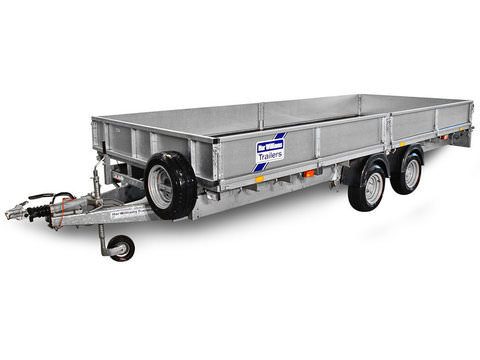
- Larger materials, pallets and side loading: LM Flatbed trailer
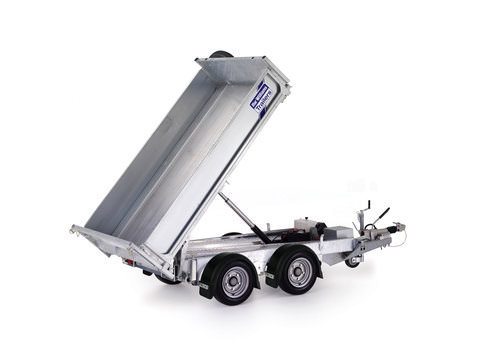
- Soil, rubble, logs, aggregates and loose loads: TT Tipper trailer
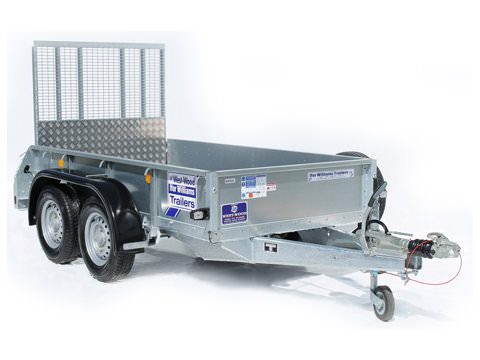
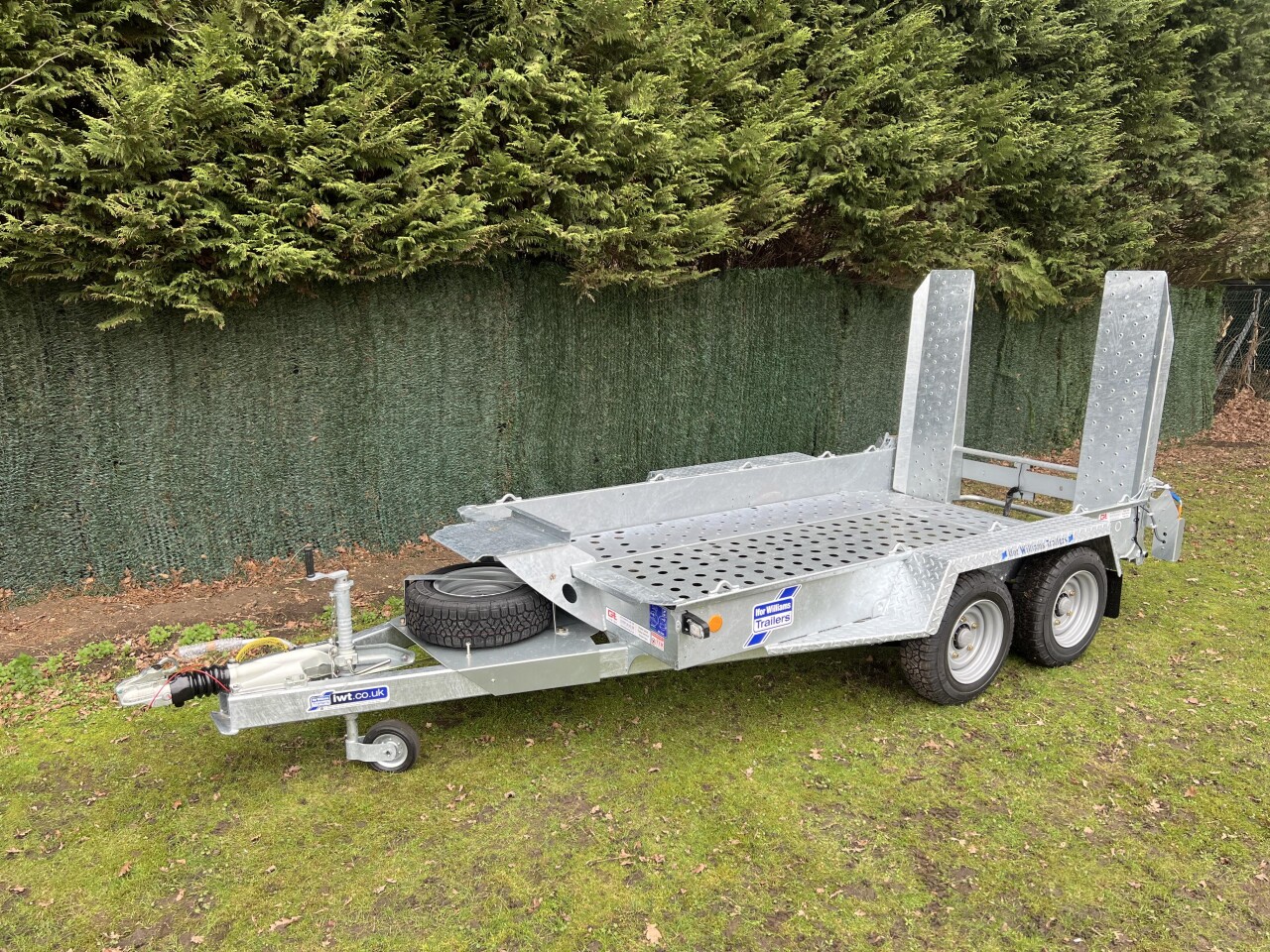
- Mini diggers, dumpers and machinery: GH or GX Plant trailer
- Cars and light vehicles: CT Car Transporter or TB Tiltbed trailer
- Tools, stock and enclosed goods: BV Box Van trailer
- Horse transport: HB or HBX Horse trailer
For most trade users who need a versatile everyday trailer, the GD or LM ranges are often the best place to start. For specialist use, such as plant, tipping, vehicle transport or horse transport, it is usually better to choose the purpose built range rather than trying to adapt a general trailer.
Ifor Williams Trailer Ranges Explained
The sections below compare the main Ifor Williams trailer types most buyers ask us about. Each range is designed around a specific type of towing, so choosing the right one starts with understanding the job it needs to do.
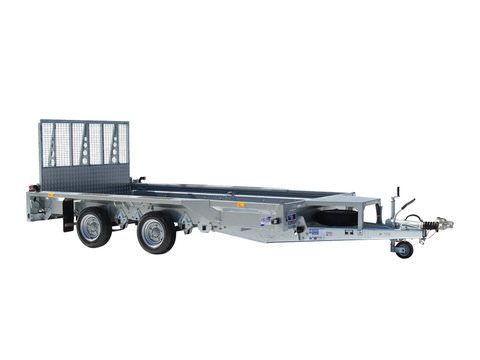
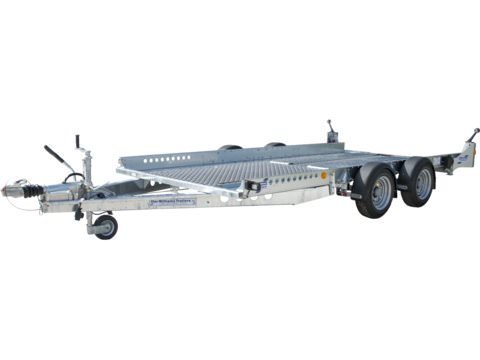
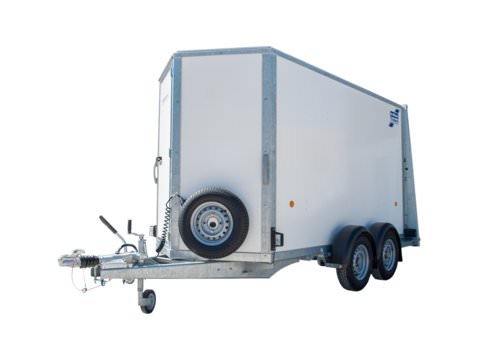
How Do I Choose the Right Ifor Williams Trailer?
The best place to start is not the model number. It is the job the trailer needs to do. A landscaper carrying machinery will need a very different trailer from a horse owner, builder, farmer, garage, motorsport customer or business transporting enclosed goods.
Before comparing models, think carefully about what you need to carry, how often you will use the trailer, where you will load and unload, and what your vehicle can safely tow.
Before choosing a trailer, ask:
- What will I carry most often?
- How heavy is the load?
- How large or awkward is the load?
- Do I need sides, ramps, a tiltbed, a tipping body or an enclosed body?
- Will I load by hand, forklift, machine, ramp or winch?
- Will I use it privately, commercially or every day for work?
- Where will I store it?
- Does my vehicle have enough towing capacity?
- Do I need accessories such as mesh sides, covers, ladder racks, security or spare wheels?
GT Towing Insight
A common mistake is buying a trailer that suits one job but not the work you do most often. For example, a general duty trailer can be very versatile, but it will not replace a proper plant trailer for machinery transport or a tipper for regular loose loads.
Ifor Williams Trailer Sizes Explained
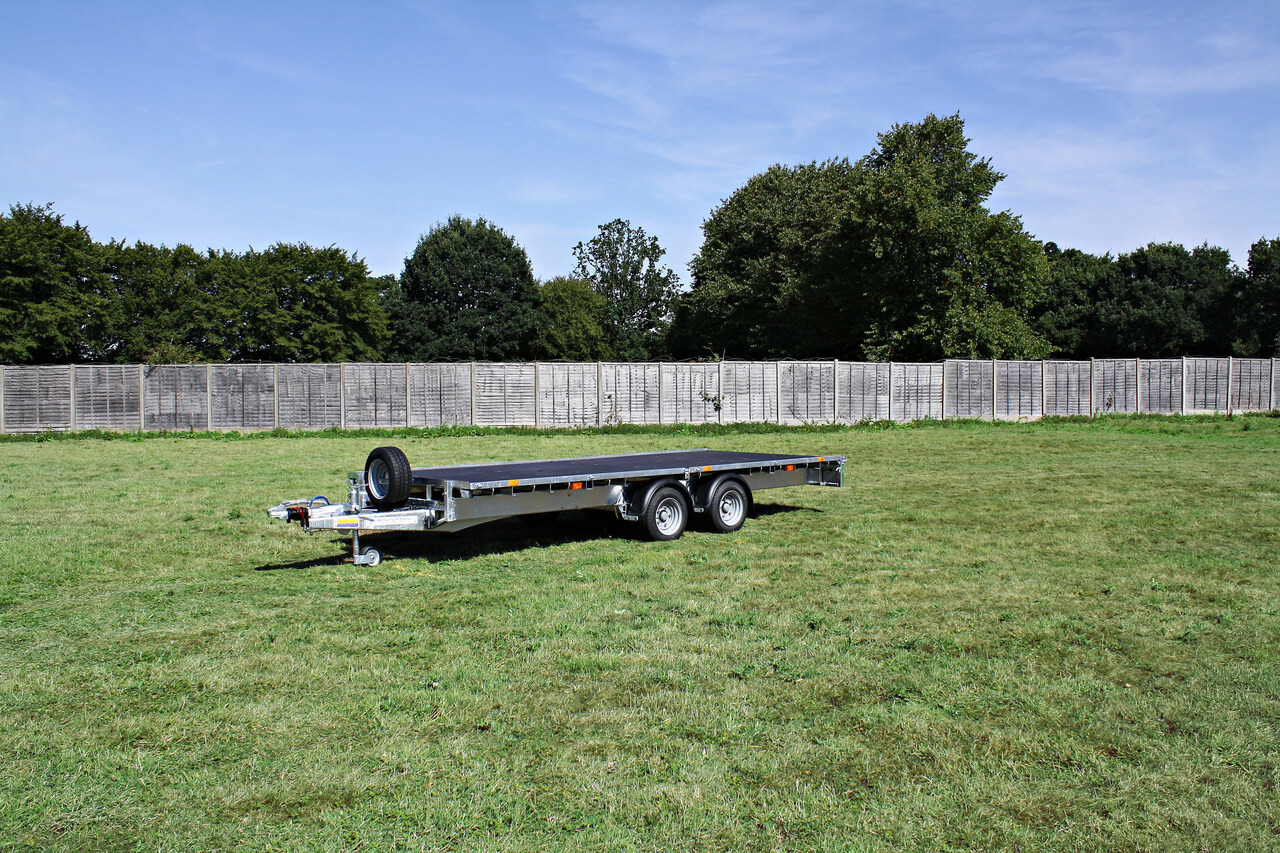
Ifor Williams model names often include numbers that relate to the approximate trailer bed size. This is one of the most useful things to understand when comparing models.
For example, in many model names, numbers such as 84, 105, 126 or 146 can indicate approximate bed dimensions in feet. The exact format can vary by range, but it often gives you a quick idea of the trailer size.
| Example Model | What It Usually Indicates |
|---|---|
| GD84 | A General Duty trailer around 8ft by 4ft |
| GD105 | A General Duty trailer around 10ft by 5ft |
| LM126 | A Flatbed trailer around 12ft by 6ft |
| LM146 | A Flatbed trailer around 14ft by 6ft |
The model code is a useful guide, but you should always check the exact internal dimensions, gross weight, unladen weight and payload before buying. Tipper, plant, car transporter, horse trailer and enclosed trailer model numbers can follow different formats, so do not rely on the code alone.
Ifor Williams Model Guide: What Do The Codes Mean?
Ifor Williams model codes can be confusing if you are comparing trailers for the first time. The table below explains the common codes and what each range is usually designed for.
| Model Code | Trailer Type | Typical Use |
|---|---|---|
| P | Unbraked trailers | Small domestic, garden and light duty loads |
| GD | General Duty trailers | Mixed loads, tools, landscaping, garden machinery and general transport |
| LM | Flatbed trailers | Building materials, pallets, long loads, trade and agricultural use |
| TT | Tipper trailers | Soil, aggregates, logs, rubble, green waste and loose materials |
| GH | Plant trailers | Plant machinery, compact diggers, rollers and site equipment |
| GX | Heavy duty plant trailers | Heavier plant, machinery and more demanding site use |
| CT | Car transporter trailers | Cars, light vehicles, motorsport and garage use |
| TB | Tiltbed trailers | Cars, low vehicles, machinery and easier loading |
| BV | Box van trailers | Enclosed transport for tools, goods, stock and equipment |
| HB | Horse trailers | Horse transport with a traditional proven design |
| HBX | Premium horse trailers | Horse transport with modern styling and premium features |
| TA | Livestock trailers | Livestock and agricultural animal transport |
| DP | Livestock and commercial trailers | Agricultural, livestock and mixed commercial use |
Important note
Model codes are a useful guide, but they should not be used as the only way to identify a trailer. If you are buying parts, checking tyre pressures or confirming specifications, always check the trailer plate, exact model, age and configuration.
Key Ifor Williams Trailer Comparisons
Some Ifor Williams ranges can look similar if you are new to trailers, but they are designed for different jobs. These comparisons help explain the practical differences.
What Is The Difference Between A General Duty Trailer And A Flatbed Trailer?
A General Duty trailer is usually the better choice for mixed everyday loads, garden machinery, tools and general use. A Flatbed trailer is usually better for larger commercial loads, pallets, building materials, long items and jobs where side loading is useful.
| Feature | GD General Duty | LM Flatbed |
|---|---|---|
| Typical use | Mixed everyday loads | Larger commercial loads |
| Access | Mainly rear loading, depending on setup | Easier side and rear access |
| Best for | Tools, machinery, garden work and mixed loads | Pallets, materials, long loads and trade use |
| Common users | Landscapers, smallholders, domestic users and trades | Builders, farmers, fencing contractors and commercial users |
What Is The Difference Between A Tipper And A General Duty Trailer?
A General Duty trailer is more flexible for mixed loads, but a Tipper trailer is much better if you regularly move loose materials. If you occasionally carry garden waste or materials, a GD trailer may be enough. If you often carry soil, aggregates, logs, rubble or waste, a TT Tipper will usually save time and effort.
| Feature | GD General Duty | TT Tipper |
|---|---|---|
| Typical use | Mixed transport | Loose material transport |
| Unloading | Manual or ramp based | Tipping body |
| Best for | General loads | Soil, aggregates, waste, logs and rubble |
| Main benefit | Versatility | Faster unloading |
Common Ifor Williams Trailer Buying Mistakes
- Buying the biggest trailer without checking towing capacity
- Choosing by price rather than suitability
- Not checking payload carefully
- Assuming all model codes are self explanatory
- Buying a general trailer when a specialist trailer is needed
- Forgetting about accessories such as covers, ramps, mesh sides and security
- Ignoring where the trailer will be stored
- Not planning for servicing and maintenance
- Buying used without checking brakes, tyres, floor, chassis and lights
- Ordering parts based only on appearance rather than model and trailer plate
GT Towing Insight
Many buyers come to us with a model in mind, but the better question is what the trailer needs to do every week. A trailer that is slightly cheaper but wrong for the job can quickly become frustrating, especially if loading is awkward, payload is too tight or the trailer does not suit the towing vehicle.
Do I Need To Check Towing Capacity Before Buying?
Yes. Before purchasing any Ifor Williams trailer, you should confirm that your vehicle has sufficient towing capacity. Vehicle towing limits, trailer gross weight, payload and licence entitlement all play a role in determining what you can tow legally and safely.
You should also consider the type of towbar fitted, the electrical connection required, nose weight and how the trailer will behave once loaded. If you are unsure, it is worth getting advice before buying.
Frequently Asked Questions
What is the best Ifor Williams trailer for general use?
For most general use, the GD General Duty range is a strong starting point. It suits mixed loads, garden machinery, tools, materials and everyday towing. If your loads are larger or require side loading, an LM Flatbed may be better.
What does GD mean on an Ifor Williams trailer?
GD usually refers to the General Duty range. These are versatile trailers designed for mixed loads, trade use, smallholding, landscaping and general transport.
What does LM mean on an Ifor Williams trailer?
LM usually refers to the Flatbed range. These trailers are designed for larger loads, pallets, building materials, agricultural use and jobs where side access is useful.
What does TT mean on an Ifor Williams trailer?
TT usually refers to Tipper trailers. These are designed for carrying and tipping loose materials such as soil, aggregates, logs, rubble and garden waste.
What does BV mean on an Ifor Williams trailer?
BV usually refers to Box Van trailers. These are enclosed trailers for transporting goods, tools, equipment and stock with weather protection and improved security.
What does CT mean on an Ifor Williams trailer?
CT usually refers to Car Transporter trailers. These are designed for moving cars and light vehicles.
What does GH mean on an Ifor Williams trailer?
GH usually refers to Plant trailers, often used for machinery such as mini diggers, dumpers and site equipment.
What does GX mean on an Ifor Williams trailer?
GX usually refers to heavier duty Plant trailers for more demanding machinery transport.
What does HB mean on an Ifor Williams trailer?
HB usually refers to Horse trailers. These are designed specifically for horse transport.
What size Ifor Williams trailer do I need?
The right size depends on what you are carrying, how heavy it is, how it will be loaded and what your vehicle can tow. For mixed light use, a smaller GD trailer may be enough. For larger trade loads, an LM Flatbed or specialist trailer may be more suitable.
Can GT Towing help me choose an Ifor Williams trailer?
Yes. GT Towing can help with trailer selection, parts, accessories, servicing, repairs, hire and towing equipment. If you are unsure which trailer range is right for you, speak to the team before buying.
Can I buy Ifor Williams trailer parts from GT Towing?
Yes. GT Towing stocks Ifor Williams trailer parts and accessories. If you are unsure which part you need, the team can help identify it from your trailer model, plate details and existing part information.
Need Help Choosing The Right Ifor Williams Trailer?
Whether you are comparing GD and LM models, checking if you need a tipper, choosing between plant trailer sizes or trying to understand Ifor Williams model codes, the GT Towing team can help.